Some businesses post everywhere and still feel invisible. LinkedIn gets a few views. Instagram gets a few likes. Facebook gets random comments. TikTok feels too fast to keep up with. After a few months, the owner starts wondering if social media even works.
Usually, the platform is not the whole problem. The mismatch is. Social media for businesses works better when the company chooses the place where its actual buyers already spend time. A business that needs a clearer online direction can start with Web Work Done Now before trying to manage every platform at once.
Where Should B2B Brands Start?
B2B social media marketing is not about quick attention. It is about trust that builds over time.
A business buyer usually takes longer to decide. They compare providers. They check experience. They want to know if the company understands their problem before they ever book a call.
That is why LinkedIn is often the safest starting point. It gives professional service companies, consultants, agencies, software providers, recruiters and manufacturers a place to speak to people who are already in work mode.
The best LinkedIn content does not need to sound stiff. It can be plain. Even a little direct. A short post about a client problem, a common mistake or a lesson from a project can do more than a polished company announcement.
Does Every B2B Brand Need LinkedIn?
Most do, but LinkedIn should not always stand alone.
YouTube can be useful when the product or service needs explaining. A two minute walkthrough, a short answer video or a simple process breakdown can help people understand the value faster.
Facebook still has a place for local B2B companies. Commercial contractors, service providers and local firms can use it for community trust, referrals and business updates.
Instagram can work too, but only when there is something real to show. Project photos, team moments, office culture and behind the scenes content can help a serious business feel more human.
The point is not to act like every platform matters equally. It does not.
Which B2C Platforms Make Sense?
B2C social media platforms move at a different speed. A consumer may see something, like it, save it and buy later. Sometimes the decision happens in the same day.
Instagram is still one of the best places for visual businesses. Food, beauty, fashion, fitness, events, home decor and local services fit naturally there because people want to see the experience before they trust it.
TikTok works when the business can be quick and real. It does not reward stiff selling. It rewards moments. A product being packed. A stylist sharing a simple tip. A restaurant showing what is coming out of the kitchen.
Facebook remains useful for local audiences. Many people still use it for community updates, events, service recommendations and nearby businesses.
Pinterest is different. People go there to plan. That makes it useful for weddings, home ideas, outfits, recipes, decor and anything people save before making a choice.
What Should B2C Brands Post?
B2C content should be easy to feel. Not overexplained.
A coffee shop can show the morning rush. A salon can show a finished look in natural light. A fitness studio can show one simple move. A home service business can show what changed after the job was done.
The customer should not have to think too hard. They should be able to picture the product or service in their own life.
That is what good B2C content does. It makes the next step feel natural.
What Should B2B Brands Post?
B2B content needs more weight. Not longer posts every time. Just more usefulness.
A good post may explain why a project failed, what a buyer should ask before hiring or what a common problem actually costs. It can also show the company’s process without turning the post into a sales pitch.
Many B2B brands get stuck because they only post about themselves. New hire. New award. New event. Those updates have a place, but they do not answer the buyer’s quiet question.
Can This Company help solve the problem?
That is the question the content should answer.
Can One Platform Work for Both?
Yes, but the message has to shift.
Instagram can help a B2C brand show lifestyle, products and daily moments. The same platform can help a B2B brand show project proof, team trust and process.
YouTube can also serve both sides. A consumer brand might share product guides. A B2B company might explain services, answer buying questions or show how a process works.
The platform is only the room. The message decides whether the right person listens.
How Should a Business Choose?
A business should not choose a platform because it is popular. It should choose one because the buyer is there.
Three questions help.
Where does the buyer already spend time? What can the business create without forcing it? What should a person do after seeing the content?
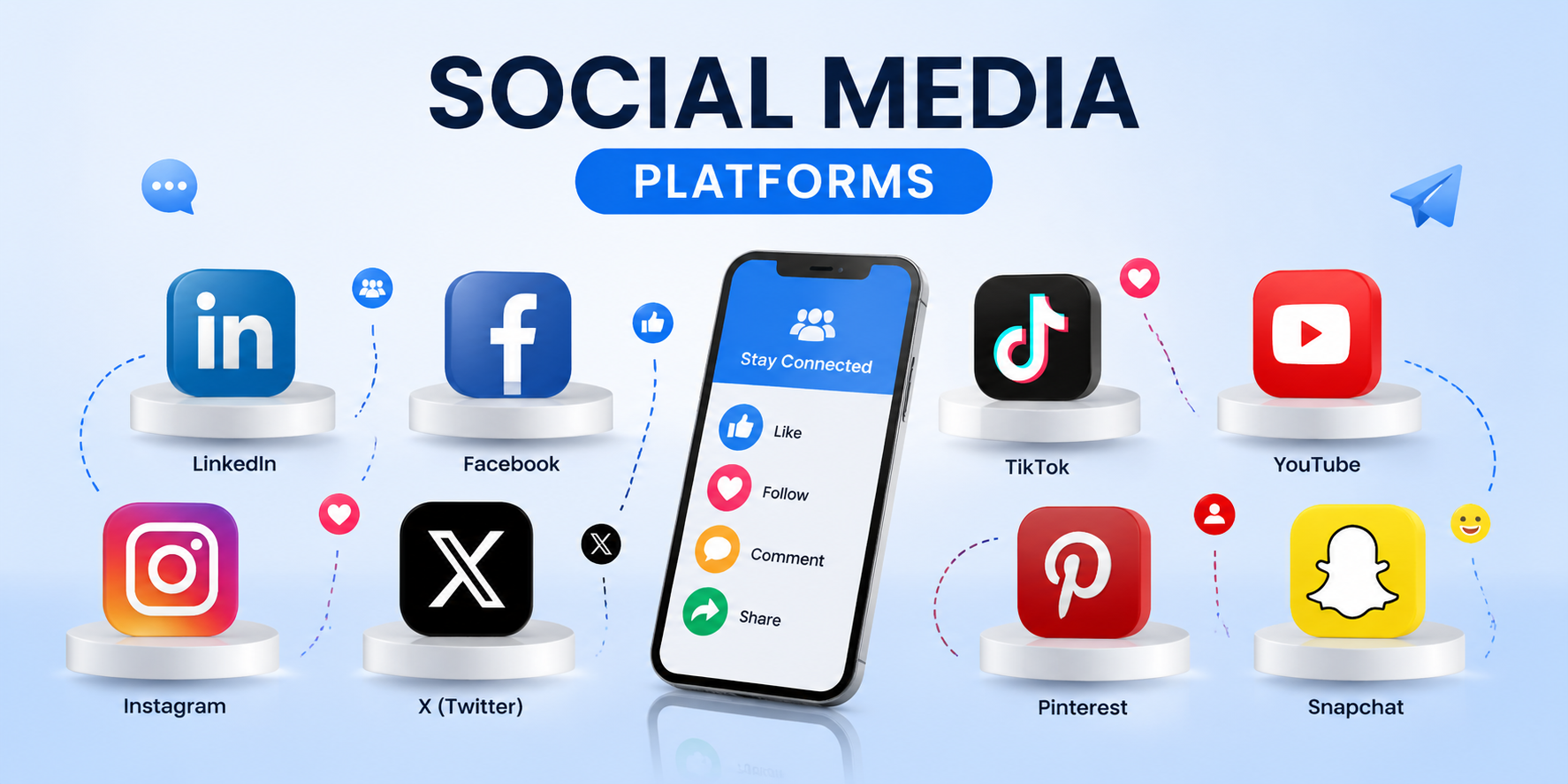
A professional service company may lean on LinkedIn and YouTube. A local shop may start with Facebook and Instagram. A visual product brand may add TikTok or Pinterest.
Two good platforms are better than six weak ones.
Conclusion
B2B and B2C businesses do not need the same social plan. B2B needs proof, clarity and useful thinking. B2C needs speed, feeling and simple connection.
The right platform should make the business easier to understand. Not louder. Just clearer.
For businesses that need help choosing platforms, planning content and keeping posts consistent, Social Media Marketing Services from Web Work Done Now can turn scattered posting into a cleaner system that fits the way people actually buy.